
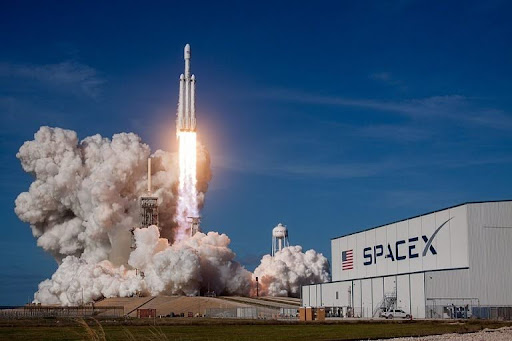
SpaceX has officially entered the public market with a remarkable initial public offering (IPO), positioning itself among the largest in history. The aerospace and technology powerhouse commenced trading at $150 per share, and its stock quickly soared, driving the company’s valuation beyond $2 trillion by the close of its first trading day.
This dramatic increase in share price has significantly bolstered the wealth of CEO and majority shareholder Elon Musk, propelling his net worth past the $1 trillion mark and earning him the distinction of being the first trillionaire. The spike in SpaceX’s stock price underscores the robust enthusiasm from investors, eager to back the company’s ambitious space exploration and satellite internet endeavors.
In an unconventional move, SpaceX opted for a fixed initial share price for its IPO rather than the typical price range. This strategy, coupled with reports of intense investor interest prior to trading, contributed to the rapid appreciation in valuation once the shares became publicly available. The company’s leadership emphasized their commitment to advancing space travel and facilitating human expansion beyond Earth as core elements of their long-term vision.
Despite the impressive market debut, SpaceX continues to operate at a loss, as revealed in recent financial disclosures. The company remains unprofitable due to substantial investments in aerospace infrastructure and its satellite networks, although revenue continues to rise steadily. Analysts highlight these investments as key factors in determining the firm’s financial standing.
The historic valuation has sparked conversations about market concentration and potential risks associated with the scale of SpaceX and the significant control Musk holds through his large voting shares. As SpaceX embarks on this new chapter as a publicly traded entity, investors and industry observers alike will be closely monitoring its financial performance and strategic direction.