
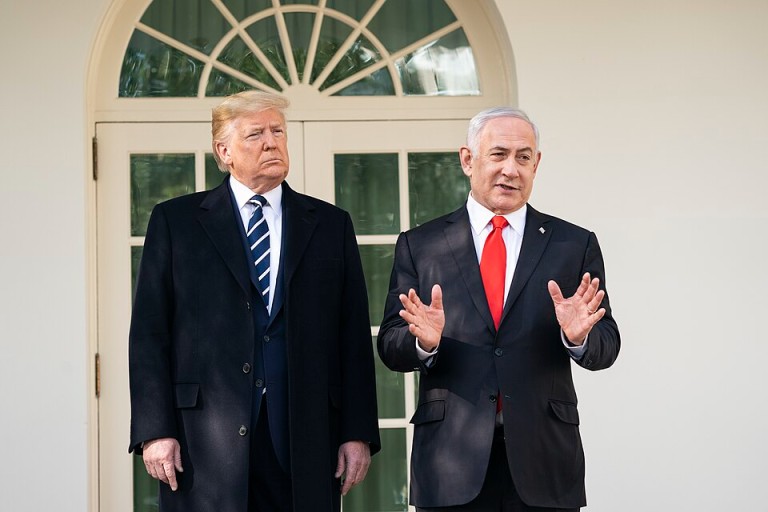
Amid escalating tensions in the Middle East, U.S. President Donald Trump has issued a sharp critique of Israeli Prime Minister Benjamin Netanyahu, labeling him “a very difficult guy.” This comes in the wake of ongoing conflict involving Iran and Lebanon, where disputes have intensified regional dynamics. Trump’s comments underscore the strained relations between Washington and Tel Aviv, particularly as the U.S. and Iran edge closer to a peace agreement intended to resolve more than three months of hostilities in the region.
The anticipated peace deal, which Washington and Tehran are poised to sign, aims to halt military activities, reopen the Strait of Hormuz, and lift U.S. naval restrictions. However, Trump expressed dissatisfaction with Israel’s continued military operations in Lebanon, suggesting that recent strikes on Beirut have complicated the peace process with Iran. He noted that these actions have delayed the announcement of the peace framework, thereby exacerbating tensions during a pivotal phase of negotiations.
Despite his criticism, Trump highlighted the critical nature of U.S. support for Israel, warning of significant ongoing regional security challenges. His remarks reflect growing discord over how to manage the wider Middle East crisis, especially after Hezbollah joined the hostilities in support of Iran, prompting Israel’s large-scale military campaign in southern Lebanon. The conflict has resulted in substantial civilian displacement and heightened fears of a broader regional war.
Progress towards a peace settlement between the United States and Iran has been announced, although uncertainties linger regarding Lebanon’s involvement in the agreement. While mediators have suggested that Lebanon-related issues will be addressed in future talks, Israel maintains its stance on making independent security decisions. The formal signing of the peace framework is expected to take place in Switzerland later this week, followed by a 60-day negotiation period focusing on unresolved matters, including Iran’s nuclear program and broader regional security issues.
The global market is keeping a close eye on the developments, as the implementation of the agreement could stabilize the Middle East and restore normal shipping operations through the Strait of Hormuz, a crucial passage for international energy supplies.