
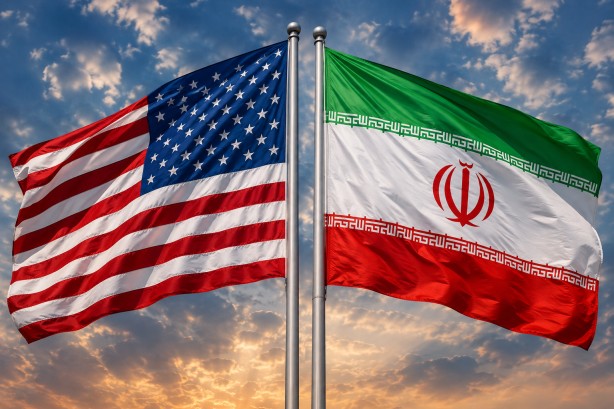
Amid escalating tensions, the United States and Iran have engaged in their most significant military exchanges since agreeing to a temporary ceasefire last month. The US conducted airstrikes on approximately 80 sites tied to Iran’s military, citing the need to mitigate threats to maritime navigation in the critical Strait of Hormuz. This action followed Iran’s targeting of three commercial ships passing through the vital waterway.
In retaliation, Iran launched missiles and drones at US military bases in Bahrain and Kuwait. Additionally, Iran declared a new military doctrine, stating that it would consider the United States and its regional allies as equivalent adversaries in any forthcoming conflict. President Donald Trump warned of further US military actions if Iran persists with its attacks, though he expressed skepticism about the situation evolving into a prolonged war.
The recent hostilities have significantly strained the ceasefire, initially aimed at fostering discussions on Iran’s nuclear program, potential sanctions relief, and security protocols in the Strait of Hormuz. This truce was seen as a pathway to establishing long-term security arrangements in the region. The US maintains that Iran’s attacks on commercial vessels breach international maritime security, justifying its military response. Conversely, Iran insists on its right to regulate shipping through the strategic strait.
The renewed conflict has caused global oil prices to rise, reflecting fears of disruptions along one of the world’s most critical energy shipping lanes. The Strait of Hormuz is a key route for global oil supplies, and any instability in the region could have significant implications for energy markets worldwide. As the situation unfolds, the international community remains watchful of the potential ramifications on global trade and security.