
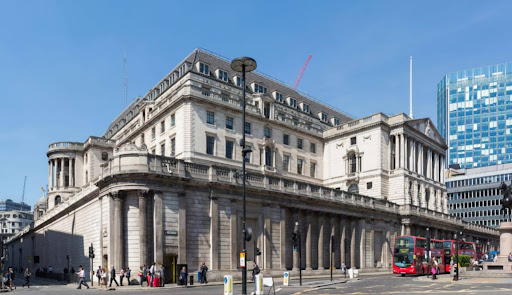
The Iran war’s energy price impact has added a new layer of complexity to the UK’s net zero transition plans, as the Bank of England held rates at 3.75% on Thursday and warned that rising fossil fuel prices could complicate the economics of the green energy transition even as they create inflationary pressures requiring monetary response. The monetary policy committee voted unanimously to hold, describing the conflict as a significant new shock to the UK’s economic and energy landscape. Officials warned that inflation could rise above 3% and require rate hikes.
The net zero complication arises from the way energy price spikes can affect both the incentive to transition away from fossil fuels and the fiscal space available to fund the transition. Higher oil and gas prices increase the immediate cost of fossil fuel dependence, potentially accelerating demand for renewable alternatives. But they also strain household finances and government budgets in ways that could reduce the political and financial resources available for transition investment.
Governor Andrew Bailey focused his communications on the immediate monetary policy implications rather than the long-term energy transition dimension. He warned of rising petrol prices and potential energy bill increases and said the Bank would act through interest rate policy if the inflationary consequences became entrenched. His focus was on the immediate crisis rather than the structural context.
Financial markets moved to price in rate hikes in June and later in the year. UK gilt yields rose, the FTSE 100 fell, and the pound strengthened against the dollar as traders adjusted their expectations for UK monetary policy. For companies involved in the energy transition, the combination of changing rate expectations and energy price movements creates a complex investment environment.
For the government, the net zero complication adds to an already difficult set of policy trade-offs. The energy price shock from the Iran war strains household finances in ways that could reduce public support for policies that increase short-term energy costs in service of long-term climate goals. Managing this political tension while maintaining progress on net zero commitments will require careful communication and potentially additional financial support for vulnerable households.