
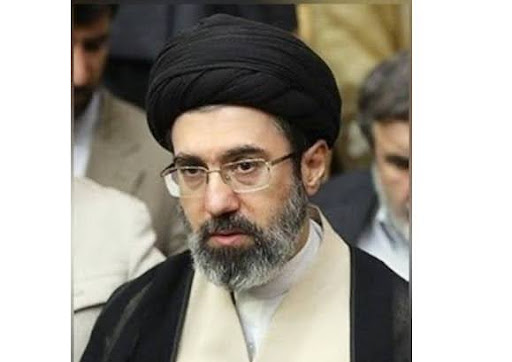
The Islamic Republic of Iran, born from a revolution that explicitly rejected monarchic rule, has now handed supreme power from father to son — a development that carries profound symbolic weight for the country’s political identity. Mojtaba Khamenei was named supreme leader by the Assembly of Experts on Sunday, becoming the second son to follow his father into Iran’s highest office since the 1979 revolution. The move is historically unprecedented and has generated immediate debate inside and outside the country.
Ayatollah Ali Khamenei led Iran for 37 years before being killed in a US-Israeli strike on February 28. His son Mojtaba, 56, was widely expected by political analysts to be the most likely successor given his deep ties to the IRGC and his decades of quiet influence within the regime. The assembly’s vote was described as decisive, and state media framed the announcement as a moment of strength and continuity for the Islamic Republic.
Supporters of the appointment have emphasized continuity with the ideological values established by the revolution and maintained by Ayatollah Khomeini and the elder Khamenei. They argue that in a moment of existential crisis — with Israel attacking Iranian soil and Gulf allies under bombardment — the country needs a leader who is trusted by the system and committed to its principles. The IRGC, armed forces, and parliamentary leadership all quickly expressed support.
Critics, however, see the dynastic succession as a fundamental contradiction. The 1979 revolution was framed as a rejection of the Pahlavi dynasty, which had ruled Iran for decades before being overthrown. Passing power from father to son within the republic echoes precisely the kind of hereditary authority the revolution claimed to replace. Scholars of Iranian politics have noted that this comparison is likely to resonate uncomfortably within parts of Iranian society.
The international environment makes Mojtaba’s early days as supreme leader particularly fraught. Israel has escalated airstrikes, the Gulf is under Iranian attack, and oil markets are in turmoil. Trump has expressed open hostility toward the new leader and raised the possibility of targeted action. For Mojtaba Khamenei, the challenge is not just to govern — it is to govern during a war, while navigating both foreign pressure and questions about his own legitimacy.